HOUSTON — A Saudi man was sentenced Thursday to four years in prison for selling counterfeit computer parts to the Marine Corps for use in Iraq and Afghanistan.
The sentencing of the Saudi, Ehab Ashoor, 48, who lived in Sugar Land, Tex., was part of a broader federal crackdown on shady businesses that supply shoddy computer goods to the military and federal agencies.
Next month, two Houston brothers, Michael and Richard Edman, are scheduled to be sentenced after pleading guilty to selling computer network cards to the Marine Corps, Air Force, F.B.I., Federal Aviation Administration and Energy Department, among other agencies.
Judge David Hittner of United States District Court sentenced Mr. Ashoor on Thursday to 51 months in prison, the maximum term recommended by federal prosecutors. Mr. Ashoor sat slumped in his chair as the judge read the sentence.
When the prosecutor pointed out that Mr. Ashoor had shown disregard for the men and women serving in Iraq, the judge quipped, “Well, they’re obviously not his men and women.”
“See that he is deported,” Judge Hittner said, raising his voice in anger, after handing down the sentence.
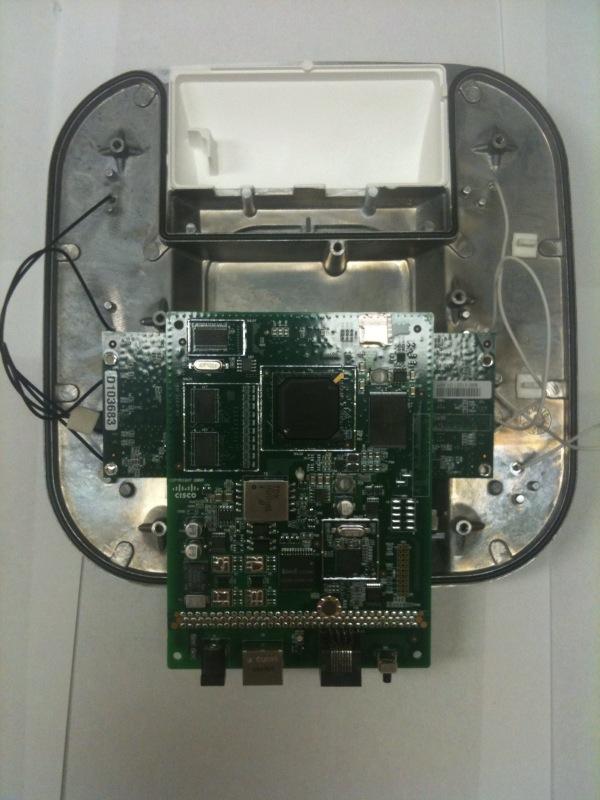
Erich Ferrari, Mr. Ashoor’s lawyer, said he would appeal the sentence. Mr. Ashoor was convicted of buying 200 counterfeit networking cards in Hong Kong that were inferior copies of the Cisco Systems cards he was under contract to provide to the Marine Corps. The cards are used in helicopters, airplanes and computer equipment to transmit data about troop movements and other sensitive information.
“This guy was getting rich and didn’t care about what goes into our airplanes and helicopters in Iraq and Afghanistan,” said John Morton, assistant secretary of homeland security.
Mr. Ashoor’s company, CDS Federal, bought the cards on eBay for $25 each in July 2008 and charged the Marine Corps $625 each, the indictment said. He also repackaged the cards to make them appear to be Cisco products.
Mr. Ashoor’s wife, Nargus Khan, 40, said they had lived in the United States for 20 years and had two children, but had remained citizens of Saudi Arabia. She said the family now faced financial hardship; Mr. Ashoor was forced to pay Cisco $119,000 in restitution.
Mr. Morton said the shoddy computer parts were never used. Customs agents noticed something amiss with the shipment and referred it to investigators, so the Marine Corps stockpiled the parts until the inquiry was finished, he said.
The Edman brothers were involved in a similar scam through their compay, Syren Technology, Mr. Morton said.




;)

 Tuesday, January 26, 2016 at 8:48AM