Wired Stuff
WiFi Tablet Corner
My80211 White Papers (Coming Soon!)

Cisco Wireless Compatibility Matrix (Nov. 2011)

Social Links
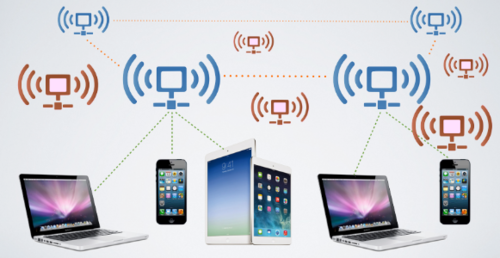
Anchor / Office Extends Ports


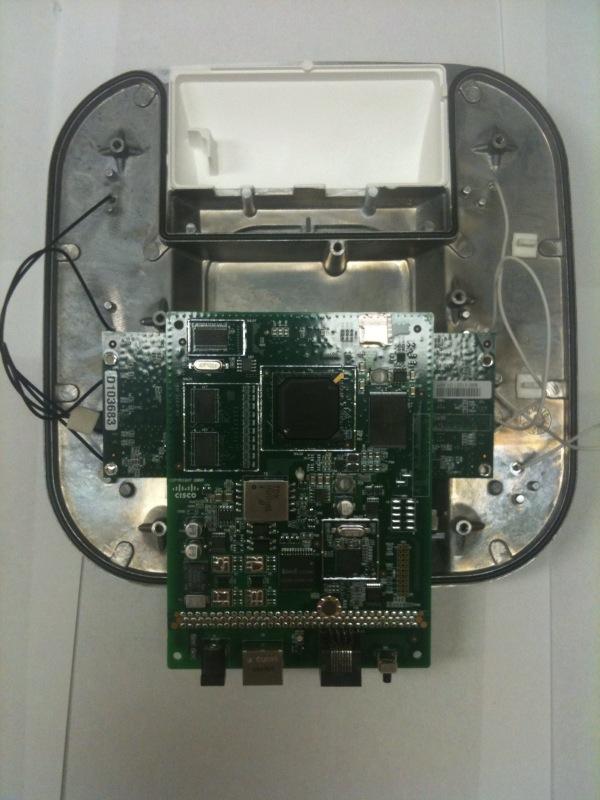
Peek Inside Cisco's Gear

See inside Cisco's latest wireless gear!

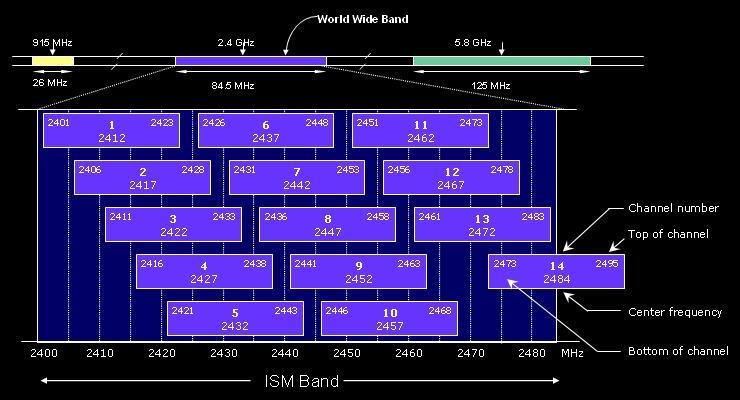
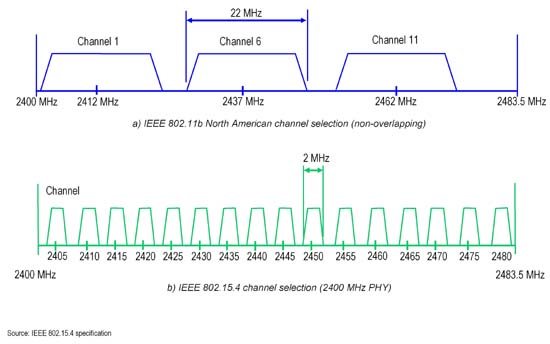
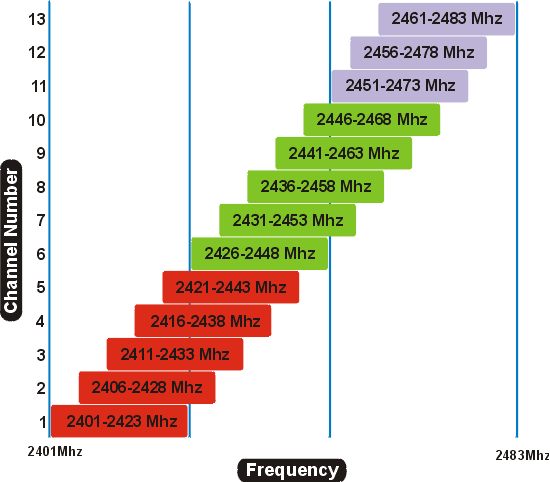
2.4 GHz Channel Overlap

EXAMPLE 1  

EXAMPLE 2

EXAMPLE 3  

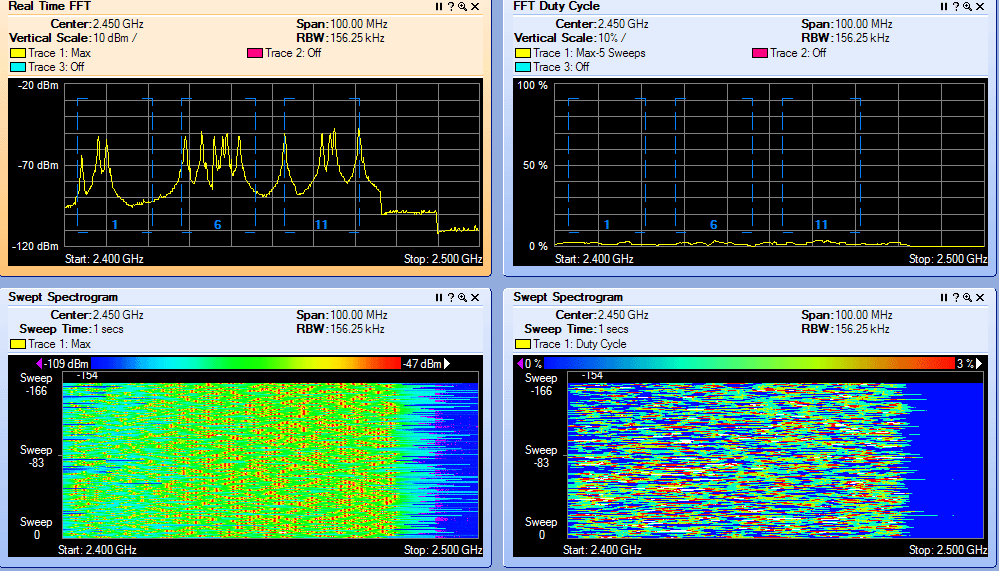
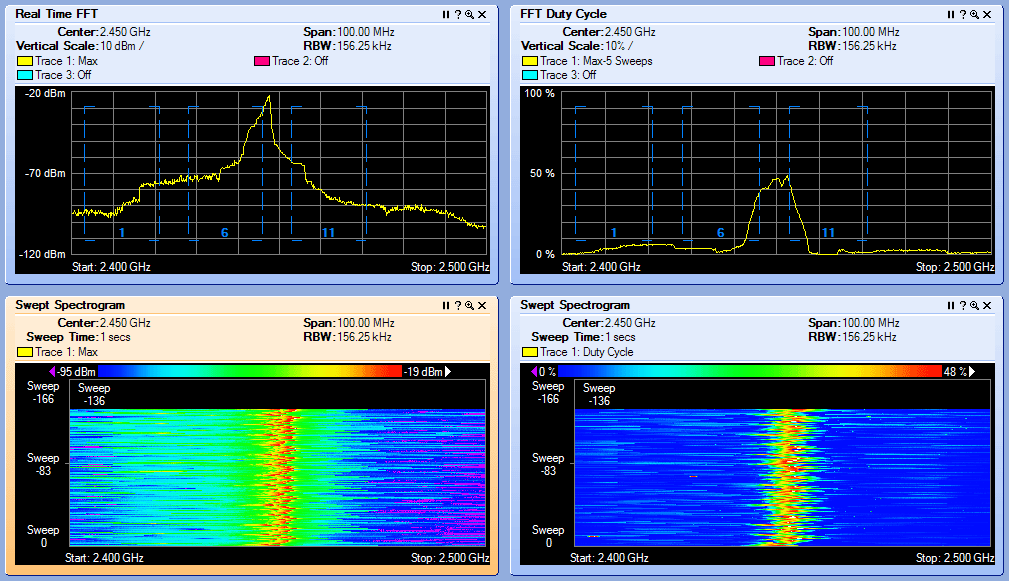
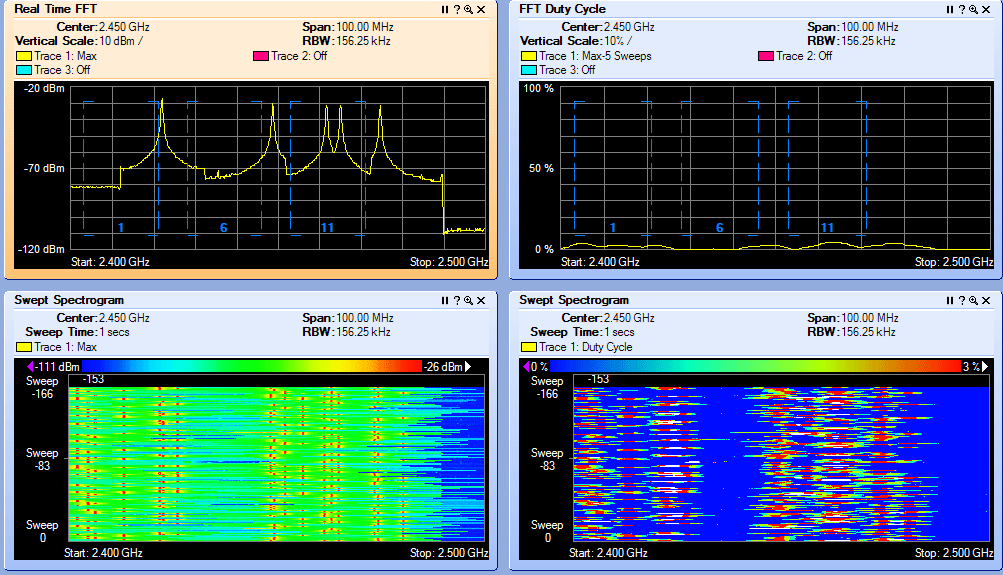
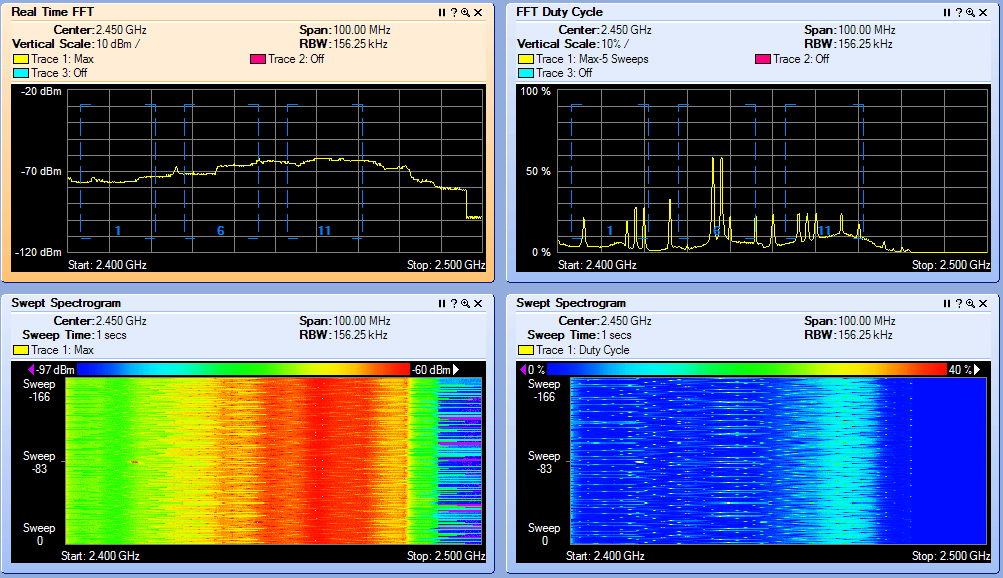
Interference Types

BLUETOOTH
 

Microwave Oven
 

Cordless Phone

JAMMER!
 

CWSP RELEASE DATE 2/08/2010
  • CWSP Certified Wireless Security Professional Official Study Guide: Exam PW0-204
    CWSP Certified Wireless Security Professional Official Study Guide: Exam PW0-204
    by David D. Coleman, David A. Westcott, Bryan E. Harkins, Shawn M. Jackman

    Shawn Jackman (Jack) CWNE#54 is a personal friend and has been a mentor to me for many years.  I've had the pleasure and opportunity to work with Jack for 4 years. Jack is a great teacher who takes complex 802.11 standards and breaks them down so almost anyone can understand the concept at hand. I'm excited for you brother. Great job and job well done! Put another notch in the belt!

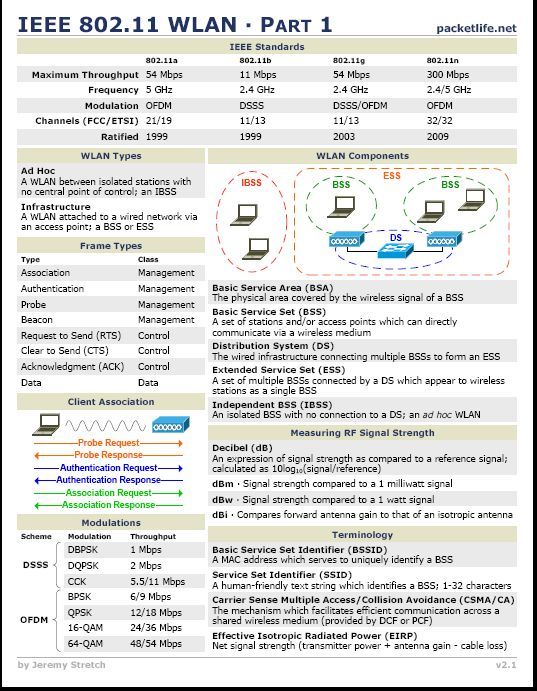
IEEE 802.11a/g/n Reference Sheet


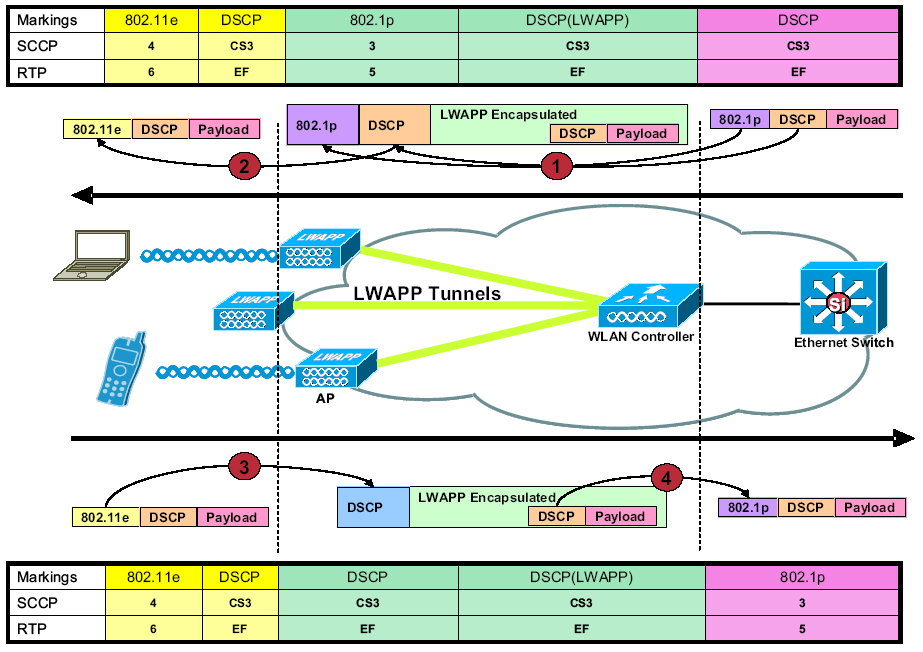
LWAPP QoS Packet Tagging


Tuesday
Apr092013

end-of-Sale and End-of-Life Announcement for the Cisco Aironet 1260 Series


http://www.cisco.com/en/US/prod/collateral/wireless/ps5678/ps10980/end_of_life_notice_c51-727739.html

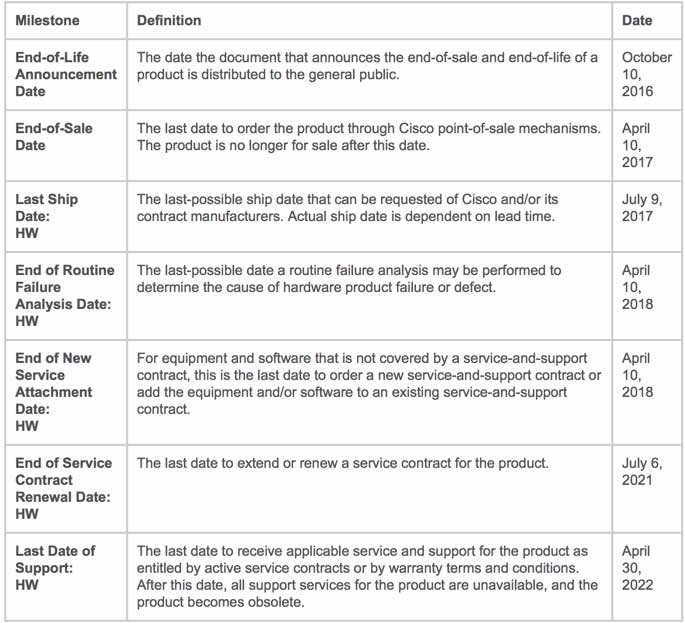
Cisco announces the end-of-sale and end-of-life dates for the Cisco Aironet 1260 Series. The last day to order the affected product(s) is October 7, 2013. Customers with active service contracts will continue to receive support from the Cisco Technical Assistance Center (TAC) as shown in Table 1 of the EoL bulletin. Table 1 describes the end-of-life milestones, definitions, and dates for the affected product(s). Table 2 lists the product part numbers affected by this announcement. For customers with active and paid service and support contracts, support will be available under the terms and conditions of customers' service contract.

Table 1. End-of-Life Milestones and Dates for the Cisco Aironet 1260 Series


Milestone

Definition

Date

End-of-Life Announcement Date

The date the document that announces the end-of-sale and end-of-life of a product is distributed to the general public.

April 8, 2013

End-of-Sale Date

The last date to order the product through Cisco point-of-sale mechanisms. The product is no longer for sale after this date.

October 7, 2013

Last Ship Date:
HW

The last-possible ship date that can be requested of Cisco and/or its contract manufacturers. Actual ship date is dependent on lead time.

January 5, 2014

End of SW Maintenance Releases Date:
HW

The last date that Cisco Engineering may release any final software maintenance releases or bug fixes. After this date, Cisco Engineering will no longer develop, repair, maintain, or test the product software.

October 7, 2014

End of Routine Failure Analysis Date:
HW

The last-possible date a routine failure analysis may be performed to determine the cause of hardware product failure or defect.

October 7, 2014

End of New Service Attachment Date:
HW

For equipment and software that is not covered by a service-and-support contract, this is the last date to order a new service-and-support contract or add the equipment and/or software to an existing service-and-support contract.

October 7, 2014

End of Service Contract Renewal Date:
HW

The last date to extend or renew a service contract for the product.

January 2, 2018

Last Date of Support:
HW

The last date to receive applicable service and support for the product as entitled by active service contracts or by warranty terms and conditions. After this date, all support services for the product are unavailable, and the product becomes obsolete.

October 31, 2018


Wednesday
Apr032013

end-of-Sale and End-of-Life Announcement for the Cisco Aironet 1140 Series

The 1140 series served me well. 

http://www.cisco.com/en/US/prod/collateral/wireless/ps5678/ps10092/end_of_life_notice_c51-727649.html

Cisco announces the end-of-sale and end-of-life dates for the Cisco Aironet 1140 Series. The last day to order the affected product(s) is October 1, 2013. Customers with active service contracts will continue to receive support from the Cisco Technical Assistance Center (TAC) as shown in Table 1 of the EoL bulletin. Table 1 describes the end-of-life milestones, definitions, and dates for the affected product(s). Table 2 lists the product part numbers affected by this announcement. For customers with active and paid service and support contracts, support will be available under the terms and conditions of customers' service contract.


Table 1. End-of-Life Milestones and Dates for the Cisco Aironet 1140 Series


Milestone

Definition

Date

End-of-Life Announcement Date

The date the document that announces the end-of-sale and end-of-life of a product is distributed to the general public.

April 2, 2013

End-of-Sale Date

The last date to order the product through Cisco point-of-sale mechanisms. The product is no longer for sale after this date.

October 1, 2013

Last Ship Date:
HW

The last-possible ship date that can be requested of Cisco and/or its contract manufacturers. Actual ship date is dependent on lead time.

December 30, 2013

End of SW Maintenance Releases Date:
HW

The last date that Cisco Engineering may release any final software maintenance releases or bug fixes. After this date, Cisco Engineering will no longer develop, repair, maintain, or test the product software.

October 1, 2014

End of Routine Failure Analysis Date:
HW

The last-possible date a routine failure analysis may be performed to determine the cause of hardware product failure or defect.

October 1, 2014

End of New Service Attachment Date:
HW

For equipment and software that is not covered by a service-and-support contract, this is the last date to order a new service-and-support contract or add the equipment and/or software to an existing service-and-support contract.

October 1, 2014

End of Service Contract Renewal Date:
HW

The last date to extend or renew a service contract for the product.

December 27, 2017

Last Date of Support:
HW

The last date to receive applicable service and support for the product as entitled by active service contracts or by warranty terms and conditions. After this date, all support services for the product are unavailable, and the product becomes obsolete.

September 30, 2018


HW = Hardware OS SW = Operating System Software App. SW = Application Software

Table 2. Product Part Numbers Affected by This Announcement

End-of-Sale Product Part Number

Product Description

Replacement Product Part Number

Replacement Product Description

Additional Information

AIR-AP1141N-A-K9

802.11g/n Fixed Auto AP; Int Ant; A Reg Domain

AIR-SAP2602I-A-K9

802.11n Auto; 3x4:3SS; Mod; Int Ant; A Reg Domain

-

AIR-AP1141N-E-K9

802.11g/n Fixed Auto AP; Int Ant; E Reg Domain

AIR-SAP2602I-E-K9

802.11n Auto; 3x4:3SS; Mod; Int Ant; E Reg Domain

-

AIR-AP1141N-P-K9

802.11g/n Fixed Auto AP; Int Ant; P Reg Domain

AIR-SAP2602I-Q-K9

802.11n Auto; 3x4:3SS; Mod; Int Ant; Q Reg Domain

-

AIR-AP1142-AK9-5

802.11a/g/n Fixed IOS AP; Int Ant; A Reg Domain, Qty. 5 Aps

AIR-SAP2602I-AK9-5

802.11n Auto 5APs; 3x4:3SS; Mod; Int Ant; A RegDomain

-

AIR-AP1142-CK9-5

802.11a/g/n Fixed IOS AP; Int Ant; C Reg Domain, Qty. 5 Aps

AIR-SAP2602I-CK9-5

802.11n Auto 5APs; 3x4:3SS; Mod; Int Ant; C RegDomain

-

AIR-AP1142-IK9-5

802.11a/g/n Fixed IOS AP; Int Ant; I Reg Domain, Qty. 5 Aps

AIR-SAP2602I-IK9-5

802.11n Auto 5APs; 3x4:3SS; Mod; Int Ant; I RegDomain

-

AIR-AP1142-KK9-5

802.11a/g/n Fixed IOS AP; Int Ant; K Reg Domain, Qty. 5 Aps

AIR-SAP2602I-KK9-5

802.11n Auto 5APs; 3x4:3SS; Mod; Int Ant; K RegDomain

-

AIR-AP1142-NK9-5

802.11a/g/n Fixed IOS AP; Int Ant; N Reg Domain, Qty. 5 Aps

AIR-SAP2602I-NK9-5

802.11n Auto 5APs; 3x4:3SS; Mod; Int Ant; N RegDomain

-

AIR-AP1142-PK9-5

802.11a/g/n Fixed IOS AP; Int Ant; P Reg Domain, Qty. 5 Aps

AIR-SAP2602I-QK9-5

802.11n Auto 5APs; 3x4:3SS; Mod; Int Ant; Q RegDomain

-

AIR-AP1142-RK9-5

802.11a/g/n Fixed IOS AP; Int Ant; R Reg Domain, Qty. 5 Aps

AIR-SAP2602I-RK9-5

802.11n Auto 5APs; 3x4:3SS; Mod; Int Ant; R RegDomain

-

AIR-AP1142-SK9-5

802.11a/g/n Fixed IOS AP; Int Ant; S Reg Domain, Qty. 5 Aps

AIR-SAP2602I-SK9-5

802.11n Auto 5APs; 3x4:3SS; Mod; Int Ant; S RegDomain

-

AIR-AP1142-TK9-5

802.11a/g/n Fixed IOS AP; Int Ant; T Reg Domain, Qty. 5 Aps

AIR-SAP2602I-TK9-5

802.11n Auto 5APs; 3x4:3SS; Mod; Int Ant; T RegDomain

-

AIR-AP1142N-A-K9

802.11a/g/n Fixed Auto AP; Int Ant; A Reg Domain

AIR-SAP2602I-A-K9

802.11n Auto; 3x4:3SS; Mod; Int Ant; A Reg Domain

-

AIR-AP1142N-C-K9

802.11a/g/n Fixed Auto AP; Int Ant; C Reg Domain

AIR-SAP2602I-C-K9

802.11n Auto; 3x4:3SS; Mod; Int Ant; C Reg Domain

-

AIR-AP1142N-I-K9

802.11a/g/n Fixed Auto AP; Int Ant; I Reg Domain

AIR-SAP2602I-I-K9

802.11n Auto; 3x4:3SS; Mod; Int Ant; I Reg Domain

-

AIR-AP1142N-K-K9

802.11a/g/n Fixed Auto AP; Int Ant; K Reg Domain

AIR-SAP2602I-K-K9

802.11n Auto; 3x4:3SS; Mod; Int Ant; K Reg Domain

-

AIR-AP1142N-N-K9

802.11a/g/n Fixed Auto AP; Int Ant; N Reg Domain

AIR-SAP2602I-N-K9

802.11n Auto; 3x4:3SS; Mod; Int Ant; N Reg Domain

-

AIR-AP1142N-P-K9

802.11a/g/n Fixed Auto AP; Int Ant; P Reg Domain

AIR-SAP2602I-Q-K9

802.11n Auto; 3x4:3SS; Mod; Int Ant; Q Reg Domain

-

AIR-AP1142N-R-K9

802.11a/g/n Fixed Auto AP; Int Ant; R Reg Domain

AIR-SAP2602I-R-K9

802.11n Auto; 3x4:3SS; Mod; Int Ant; R Reg Domain

-

AIR-AP1142N-S-K9

802.11a/g/n Fixed Auto AP; Int Ant; S Reg Domain

AIR-SAP2602I-S-K9

802.11n Auto; 3x4:3SS; Mod; Int Ant; S Reg Domain

-

AIR-AP1142N-T-K9

802.11a/g/n Fixed Auto AP; Int Ant; T Reg Domain

AIR-SAP2602I-T-K9

802.11n Auto; 3x4:3SS; Mod; Int Ant; T Reg Domain

-

AIR-LAP1141N-A-K9

802.11g/n Fixed Unified AP; Int Ant; A Reg Domain

AIR-CAP2602I-A-K9

802.11n CAP w/CleanAir; 3x4:3SS; Mod; Int Ant; A Reg Domain

-

AIR-LAP1141N-E-K9

802.11g/n Fixed Unified AP; Int Ant; E Reg Domain

AIR-CAP2602I-E-K9

802.11n CAP w/CleanAir; 3x4:3SS; Mod; Int Ant; E Reg Domain

-

AIR-LAP1141N-P-K9

802.11g/n Fixed Unified AP; Int Ant; P Reg Domain

AIR-CAP2602I-Q-K9

802.11n CAP w/CleanAir; 3x4:3SS; Mod; Int Ant; Q Reg Domain

-

AIR-LAP1142-AK9-10

802.11a/g/n LWAPP AP Integrated Antennas A Reg Domain, 10 APs

AIR-CAP2602I-AK910

802.11n CAP 10APs w/CleanAir; 3x4:3SS; Mod; Int; A RegDomain

-

AIR-LAP1142-CK9-10

802.11a/g/n LWAPP AP Integrated Antennas C Reg Domain, 10 APs

AIR-CAP2602I-CK910

802.11n CAP 10APs w/CleanAir; 3x4:3SS; Mod; Int; C RegDomain

-

AIR-LAP1142-IK9-10

802.11a/g/n LWAPP AP Integrated Antennas I Reg Domain, 10 APs

AIR-CAP2602I-IK910

802.11n CAP 10APs w/CleanAir; 3x4:3SS; Mod; Int; I RegDomain

-

AIR-LAP1142-KK9-10

802.11a/g/n LWAPP AP Integrated Antennas K Reg Domain, 10 APs

AIR-CAP2602I-KK910

802.11n CAP 10APs w/CleanAir; 3x4:3SS; Mod; Int; K RegDomain

-

AIR-LAP1142-NK9-10

802.11a/g/n LWAPP AP Integrated Antennas N Reg Domain, 10 APs

AIR-CAP2602I-NK910

802.11n CAP 10APs w/CleanAir; 3x4:3SS; Mod; Int; N RegDomain

-

AIR-LAP1142-PK9-10

802.11a/g/n LWAPP AP Integrated Antennas P Reg Domain, 10 APs

AIR-CAP2602I-QK910

802.11n CAP 10APs w/CleanAir; 3x4:3SS; Mod; Int; Q RegDomain

-

AIR-LAP1142-RK9-10

802.11a/g/n LWAPP AP Integrated Antennas R Reg Domain, 10 APs

AIR-CAP2602I-RK910

802.11n CAP 10APs w/CleanAir; 3x4:3SS; Mod; Int; R RegDomain

-

AIR-LAP1142-SK9-10

802.11a/g/n LWAPP AP Integrated Antennas S Reg Domain, 10 APs

AIR-CAP2602I-SK910

802.11n CAP 10APs w/CleanAir; 3x4:3SS; Mod; Int; S RegDomain

-

AIR-LAP1142-TK9-10

802.11a/g/n LWAPP AP Integrated Antennas T Reg Domain, 10 Aps

AIR-CAP2602I-TK910

802.11n CAP 10APs w/CleanAir; 3x4:3SS; Mod; Int; T RegDomain

-

AIR-LAP1142N-A-K9

802.11a/g/n Fixed Unified AP; Int Ant; A Reg Domain

AIR-CAP2602I-A-K9

802.11n CAP w/CleanAir; 3x4:3SS; Mod; Int Ant; A Reg Domain

-

AIR-LAP1142N-C-K9

802.11a/g/n Fixed Unified AP; Int Ant; C Reg Domain

AIR-CAP2602I-C-K9

802.11n CAP w/CleanAir; 3x4:3SS; Mod; Int Ant; C Reg Domain

-

AIR-LAP1142N-I-K9

802.11a/g/n Fixed Unified AP; Int Ant; I Reg Domain

AIR-CAP2602I-I-K9

802.11n CAP w/CleanAir; 3x4:3SS; Mod; Int Ant; I Reg Domain

-

AIR-LAP1142N-K-K9

802.11a/g/n Fixed Unified AP; Int Ant; K Reg Domain

AIR-CAP2602I-K-K9

802.11n CAP w/CleanAir; 3x4:3SS; Mod; Int Ant; K Reg Domain

-

AIR-LAP1142N-N-K9

802.11a/g/n Fixed Unified AP; Int Ant; N Reg Domain

AIR-CAP2602I-N-K9

802.11n CAP w/CleanAir; 3x4:3SS; Mod; Int Ant; N Reg Domain

-

AIR-LAP1142N-P-K9

802.11a/g/n Fixed Unified AP; Int Ant; P Reg Domain

AIR-CAP2602I-Q-K9

802.11n CAP w/CleanAir; 3x4:3SS; Mod; Int Ant; Q Reg Domain

-

AIR-LAP1142N-R-K9

802.11a/g/n Fixed Unified AP; Int Ant; R Reg Domain

AIR-CAP2602I-R-K9

802.11n CAP w/CleanAir; 3x4:3SS; Mod; Int Ant; R Reg Domain

-

AIR-LAP1142N-S-K9

802.11a/g/n Fixed Unified AP; Int Ant; S Reg Domain

AIR-CAP2602I-S-K9

802.11n CAP w/CleanAir; 3x4:3SS; Mod; Int Ant; S Reg Domain

-

AIR-LAP1142N-T-K9

802.11a/g/n Fixed Unified AP; Int Ant; T Reg Domain

AIR-CAP2602I-T-K9

802.11n CAP w/CleanAir; 3x4:3SS; Mod; Int Ant; T Reg Domain

-


Sunday
Jan132013

End-of-Sale and End-of-Life Announcement for the Cisco Secure Access Control System 5.2 (CSACS-5.2) Software

Cisco announces the end-of-sale and end-of life dates for the Cisco Secure Access Control System 5.2 (CSACS-5.2) Software. The last day to order the affected product(s) is July 12, 2013. Customers with active service contracts will continue to receive support from the Cisco Technical Assistance Center (TAC) as shown in Table 1 of the EoL bulletin. Table 1 describes the end-of-life milestones, definitions, and dates for the affected product(s). Table 2 lists the product part numbers affected by this announcement. For customers with active and paid service and support contracts, support will be available under the terms and conditions of customers' service contract.

http://www.cisco.com/en/US/prod/collateral/netmgtsw/ps5698/ps6767/ps9911/eol_C51-726115.html 

Table 1. End-of-Life Milestones and Dates for the Cisco Secure Access Control System 5.2 (CSACS-5.2) Software


Milestone

Definition

Date

End-of-Life Announcement Date

The date the document that announces the end of sale and end of life of a product is distributed to the general public.

January 11, 2013

End-of-Sale Date

The last date to order the product through Cisco point-of-sale mechanisms. The product is no longer for sale after this date.

July 12, 2013

Last Ship Date:
App. SW

The last-possible ship date that can be requested of Cisco and/or its contract manufacturers. Actual ship date is dependent on lead time.

October 10, 2013

End of SW Maintenance Releases Date:
App. SW

The last date that Cisco Engineering may release any final software maintenance releases or bug fixes. After this date, Cisco Engineering will no longer develop, repair, maintain, or test the product software.

July 12, 2014

End of New Service Attachment Date:
App. SW

For equipment and software that is not covered by a service-and-support contract, this is the last date to order a new service-and-support contract or add the equipment and/or software to an existing service-and-support contract.

July 12, 2014

End of Service Contract Renewal Date:
App. SW

The last date to extend or renew a service contract for the product.

October 8, 2015

Last Date of Support:
App. SW

The last date to receive applicable service and support for the product as entitled by active service contracts or by warranty terms and conditions. After this date, all support services for the product are unavailable, and the product becomes obsolete.

July 31, 2016


Friday
Dec212012

bug: CSCud65237 - IMPACTING ASCOM 802.11N HANDSET

I received 2 emails from colleagues who were hit by this bug while using the Ascom i62. 

Apparently there is a BA ack issue, as noted in the bug. Its not clear if this is only impacting Ascom as the bug id references 802.11n handsets. I asked for frame captures and will post the result when I have them. 


CSCud65237 Bug Details

Encryption key corruption on BA ack with wrong ID
Symptom:
Voice disruption after roaming

Conditions:
Third party 11n phone
This is triggered by wrong TID sent on Block ACK by client. AP is incorrectly handling the invalid frame

Workaround:
roam to another AP


Status Status 
Open 
(More) 
Severity Severity 
2 - severe 

Last Modified Last Modified 
In Last 3 Days 

Product Product 
Cisco IOS software 

Technology Technology 
Wireless, LAN (WLAN) 

1st Found-In 1st Found-in 
7.0(230.0)
7.4(1.54) 


Component(s) Component 
ap-ampdu 

Wednesday
Dec192012

End-of-Sale and End-of-Life Announcement for the Cisco Aironet 1520 Series

Title End-of-Sale and End-of-Life Announcement for the Cisco Aironet 1520 Series
Description Cisco announces the end-of-sale and end-of-life dates for the Cisco Aironet 1520 Series. The last day to order the affected product(s) is March 30, 2013. Customers with active service contracts will continue to receive support from the Cisco Technical Assistance Center (TAC) as shown in Table 1 of the EoL bulletin. Table 1 describes the end-of-life milestones, definitions, and dates for the affected product(s). Table 2 lists the product part numbers affected by this announcement. For customers with active and paid service and support contracts, support will be available under the terms and conditions of customers' service contract.
Date

18-DEC-2012


NOTE: March 30, 2013: The last date that Cisco Engineering may release any final software maintenance releases or bug fixes. After this date, Cisco Engineering will no longer develop, repair, maintain, or test the product software.

Tuesday
Dec182012

End-of-Sale and End-of-Life Announcement for the Cisco Unified Wireless Network Software Release 6.0

Title: End-of-Sale and End-of-Life Announcement for the Cisco Unified Wireless Network Software Release 6.0


Url: http://www.cisco.com/en/US/prod/collateral/wireless/ps5755/ps6301/ps7305/end_of_life_notice_c51-722058.html


Description: Cisco announces the end-of-sale and end-of-life dates for the Cisco Unified Wireless Network Software Release 6.0. The last day to order the affected product(s) is May 31, 2013. Customers with active service contracts will continue to receive support from the Cisco Technical Assistance Center (TAC) as shown in Table 1 of the EoL bulletin. Table 1 describes the end-of-life milestones, definitions, and dates for the affected product(s). Table 2 lists the product part numbers affected by this announcement. For customers with active and paid service and support contracts, support will be available until the termination date of the contract, even if this date exceeds the Last Date of Support shown in Table 1.
Date: 2012-11-30 15:28:30.0

Thursday
Dec132012

end-of-Sale and End-of-Life Announcement for the Cisco Wireless Controller Software for ISM 300 and SRE 700, 710, 900, and 910

Title: End-of-Sale and End-of-Life Announcement for the Cisco Wireless Controller Software for ISM 300 and SRE 700, 710, 900, and 910

Url: http://www.cisco.com/en/US/prod/collateral/modules/ps2706/end_of_life_notice_c51-722050.html

 Description: Cisco announces the end-of-sale and end-of-life dates for the Cisco Wireless Controller Software for ISM 300 and SRE 700, 710, 900, and 910. The last day to order the affected product(s) is May 31, 2013. Customers with active service contracts will continue to receive support from the Cisco Technical Assistance Center (TAC) as shown in Table 1 of the EoL bulletin. Table 1 describes the end-of-life milestones, definitions, and dates for the affected product(s). Table 2 lists the product part numbers affected by this announcement. For customers with active and paid service and support contracts, support will be available until the termination date of the contract, even if this date exceeds the Last Date of Support shown in Table 1.

Date: 2012-11-30 15:25:15.0

Friday
Oct192012

bUG CSCua29504: Upgrade that code if you want Windows 8 to work! #CISCO # WLC

This is from Cisco CSC 

Microsoft will launch Windows 8 in late October. Along with a slew of other features, it will be among the first to support the 802.11w standard to protect Management Frames for client devices on Wi-Fi networks.

Customers running old Cisco unified releases (between 4.2 to 7.2) in local, Flex or mesh mode will run into an interoperability bug (CSCua29504, to be exact) that prevents 802.11w enabled clients from connecting to a Cisco WLAN with Management Frame Protection (MFP) enabled. This bug does not affect customers running autonomous access point deployments or customers running Cisco unified releases older than 4.2.

What are the possible solutions for you?

1. Please upgrade your production environment to one of the following releases, which will interoperate with Windows 8.

  • 7.3.101.0
  • 7.2.111.3
  • 7.0.235.3

2. Roll back to pre-windows 8 drivers as identified in the Microsoft Knowledge Base article.
3. Fall back to TKIP
4. Sign up for a beta release for Cisco’s upcoming feature release 7.4 (beta available now!) that supports the 802.11w feature in local mode.

What is 802.11w ?

 802.11w is an IEEE standard based on Cisco’s Management Frame Protection(MFP), a feature that was first supported on autonomous access points in release 12.3(8)JA in 2006 and in the unified release 4.0.155.5 in 2008. 802.11w isn’t a new standard. IEEE ratified the 802.11w standard in 2009, however the adoption has been slow to date, but that is expected to change with Windows 8.

The WFA has announced that it will position the Protected Management Frame interoperability certification program as a feature update to its Wi-Fi Protected Access(WPA2) program.

Why do I care about 802.11w ?

I joined Cisco Wireless Networking Business Unit (WNBU) early 2006 as a Product Manager for Autonomous Access Points and the first software release that I managed was the 12.3(8)JA. One of the coolest features in that release was a Cisco innovation around protecting management frames. As many of you may know, 802.11 frames such as Authenticate, De-authenticate, Associate, Dis-associate are sent in the clear (a.k.a. in an unsecured manner). This could allow a potential attacker to spoof management frames from a valid device and run Denial of Service (DOS) attack by sending de-authenticate/disassociate frames.

When MFP is enabled, the sending device adds a cryptographic hash to create a message integrity check (MIC) and embeds that within the Information Element (IE) of every management frame. Thus when another device in the network receives the frame, it is able to verify that the authenticity of the source. In case a single invalid frame is received on the network, it will be dropped, as well as, an Intrusion Detection System alert will be received -this means zero day protection!

What about clients that don’t support 802.11w ?

There are two components to Management Frame Protection:

-         Infrastructure MFP: When the wireless Controller and Access point infrastructure support the 802.11w capability, any frames from a hacker masquerading as an infrastructure AP and attempting to communicate with other APs will be dropped.

-         Client MFP: When a client ALSO supports this feature; it is able to secure communications with the infrastructure. This means any frames from a hacker masquerading as an infrastructure AP and sending disconnect messages to the clients will be dropped.

So what’s the bottom-line?

To enable that your network is ready for 802.11w and Windows 8 ensure that you are running the latest Cisco Unified releases in your wireless controller network.


For more information, visit https://supportforums.cisco.com/docs/DOC-27213

Monday
Sep242012

end-of-Sale and End-of-Life Announcement for the Cisco 3310 Mobility Services Engine

Title: End-of-Sale and End-of-Life Announcement for the Cisco 3310 Mobility Services Engine

Url: http://www.cisco.com/en/US/prod/collateral/wireless/ps9733/ps9742/ps10093/end_of_life_notice_c51-716505.html


Description: Cisco announces the end-of-sale and end-of-life dates for the Cisco 3310 Mobility Services Engine. The last day to order the affected product(s) is March 19, 2013. Customers with active service contracts will continue to receive support from the Cisco Technical Assistance Center (TAC) as shown in Table 1 of the EoL bulletin. Table 1 describes the end-of-life milestones, definitions, and dates for the affected product(s). Table 2 lists the product part numbers affected by this announcement. For customers with active and paid service and support contracts, support will be available until the termination date of the contract, even if this date exceeds the Last Date of Support shown in Table 1.
Date: 2012-09-18 16:45:00.0

Friday
Sep212012

bUG CSCtt38270: 7925 sometimes takes 1+ second to respond to WPA M1 key message

Heads up if you're having wireless voice issues with 7925 handsets with WPA2/PSK. Problems with roaming, gap in voice bug.

7925 sometimes takes 1+ second to respond to WPA M1 key message
Symptom:
A wireless phone call may experience a voice gap of 1.5 - 2 seconds when it roams if using WPA2-PSK.

Conditions:
7925G is configured to use WPA2/AES PSK.

Workaround:
Configure some key management method to avoid performing a full WPA2 key exchange
at each roam time. For example, EAP with CCKM, or static WEP.
If using PSK, then reducing the WPA key retransmission timeout (e.g., on a WLC,
via "config advanced eap eapol-key-timeout 250", may ameliorate the problem
somewhat (e.g. bring the outage duration down from 2.5 to 1.7 seconds.)

1.4.3ES.1 containing the fix for CSCtz48689 may be helpful as well.

Further Problem Description:
A wireless packet capture, or a "debug client" on the WLC, will show that the WLC/AP
transmit the M1 key message to the phone (and the capture shows that the phone ACKs
it), but the phone does not send its M2 key. So the WLC/AP have to retransmit the M1 key,
till finally the phone responds.
Status Status 
Terminated 

Severity Severity 
3 - moderate 

Last Modified Last Modified 
In Last 2 weeks 

Product Product 
Cisco Unified IP Phone 7900 Series 

Technology Technology 
Wireless, Mobile 

1st Found-In 1st Found-in 
1.4(2)
1.4(1.1.1.7) 


Tuesday
Sep042012

cisco Office Extends: Wired Side (LAN) Bug CSCtq76431

Cisco Office Extends bug -- What you should know if you're having wired side (LAN) connectivty issues.

If you configure your OfficeExtends for the LAN and you arent getting an IP address and no connectivity on the wired I might suggest you check your WIRELESS PHY RATES. You should have atleast one 802.11b mandatory rate 1,2,5.5 or 11. 


CSCtq76431            Bug Details

Evora:Remote LAN client fails association w/ 802.11b rates not mandatory.

Symptom:
Remote LAN client(s) fail association to wired remote LAN tunneled to WLC.  On
OEAP 602 event log:

*Jun 03 17:01:39.066: (Re)Assoc-Req from 48:5b:39:13:99:bd forwarded to WLC,
wired: yes
*Jun 03 17:01:39.082: received assoc-rsp for idx=3, status=18

From WLC debug client:

*apfMsConnTask_3: Jun 03 13:01:31.832: 48:5b:39:13:99:bd Sending Assoc Response
to station on BSSID ec:c8:82:c0:25:20 (status 18) Ap VapId 2 Slot 0

Conditions:
WLC that supports OEAP 602 running 7.0.116.0 with 802.11g data rate configured
as MANDATORY (6,9,12,18,24,36,48,54).

Workaround:
Do not set 802.11g datarates to Mandatory.


CISCO BUG TOOL KIT UPDATE


 Status Status 
Fixed 

Severity Severity 
3 - moderate 

Last Modified Last Modified 
In Last Year 

Product Product 
Cisco IOS software 

Technology Technology 
Wireless, LAN (WLAN) 

1st Found-In 1st Found-in 
7.0(116.0) 

Fixed-In Fixed-in 
7.2(1.55)
7.2(103.0)


Monday
Jul232012

Web auth (redirect) doesn't work when client uses a https url: CSCar04580 Bug

Issues with your Cisco Wireless Guest Network not doing a web redirect ?

This is very good to know, incase you get calls that your wireless guest network is broken. The WLC will not redirect HTTPS urls.

Assume for a moment your guest has a browser home page that is https:// (443) or he / she attempts to open a https:// page, prior to the AUP. The user is expecting to get redirected, but nothing happens.

The Guest will sit and spin giving the impression the guest network is not working properly, but in fact the WLC is not redirecting HTTPS traffic, only HTTP traffic to the AUP.


CSCar04580 Bug Details

web auth (redirect) doesn't work when client users a https url
Symptom:

A client whose home page is an HTTPS (HTTP over SSL, port 443) one will never
be redirected by Web Auth to the web authentication dialog. Therefore, such
a client will not know to authenticate, and will fail to connect to the
network.

Workaround:

The client should attempt to open any HTTP (port 80) web page.


Status Status
Terminated

Severity Severity
2 - severe

Last Modified Last Modified
In Last Year

Product Product
Cisco 5500 Series Wireless Controllers

Technology Technology


1st Found-In 1st Found-in
3.2(78.0)
6.0(182.0)
7.0(98.0)
Related Bug Information
Webauth redirection doesn't happen with HTTPS URL
Symptom: Redirect of https traffic on webauth does not work in any version of code. The 'network web-auth-port #' does nothing. Workaround: The business unit considers this an enhancement.
Tuesday
Jul172012

ACS 5 gives alert after 20,000 radius probes: Bug CSCtj69797

Ive been meaning to blog about this bug on the ACS 5.x platform, but forgot until this week when the alert surfaced again.

This bug is cosmetic only and doesn't impact performance. ACS sends a nice orange alert when 250,000 cached sessions are cumulated and should delete 20,000 sessions. I was worried at first, when I think “sessions” I think EAP.


I opened up a TAC case and got a rockstar ACS TAC engineer.  Sorry, but I cant share his name, somethings need to be kept confidential, especially a great resource !  In short, a “probe” counts as a session.

Say for example a device wants to authenticate it will send a probe and sometimes it will send multiple probes. Not to be confused with 802.11 probe request / response frames.  Rather, its a radius probe.


A wireless example would be a client that doesn't support PMK cache / OKC. Every time this client would roam, he would probe the radius server again to re-authenticate. So you can see, you could rack up the session pretty quickly in a large environment.


What happens is that every time a user tries to authenticate using radius the device will send a probe in order to see if the ACS is up and running we can also have this configured to happen even if there is no authentication going by doing radius-server retransmit command. So if for example 20 user try to authenticate using radius than 20 radius probes are send to the ACS. It is not dependent on the amount of devices it more with the amount of user and the amount of authentication request they generate.
 
Remember that the reason you are receiving the alarm is because the ACS doesn’t delete the 20000 sessions which he should do automatically therefore the bug was opened.

                                                                                                                          -TAC


CSCtj69797 Bug Details

ACS 5 gives alert after 20000 radius probes

Symptom:

ACS View giving alert when 20 000 sessions are reached.
The problem is that it seems to be triggered also with "radius probes", i.e. authentication packets with no accounting done.
So for example with several ACE appliances doing radius probes, this alert is reached very quickly

Conditions:

Radius authentication packets with no accounting happening in a frequent way

Workaround:

Only an alert.

**** There is another work around whereby you make a filter so that you no longer get the alerts. Consult TAC *** - George

Status  
Terminated

Severity  
3 - moderate

Last Modified  
In Last month

Product  
Cisco Secure Access Control Server Solution Engine

Technology  

1st Found-In  
5.1(0.44)


Saturday
Apr212012

End-of-Sale and End-of-Life Announcement for the Cisco Unified Wireless IP Phone 7921G Power Supplies

End-of-Sale and End-of-Life Announcement for the Cisco Unified Wireless IP Phone 7921G Power Supplies

Description: Cisco announces the end-of-sale and end-of-life dates for the Cisco Unified Wireless IP Phone 7921G Power Supplies. The last day to order the affected product(s) is October 19, 2012. Customers with active service contracts will continue to receive support from the Cisco Technical Assistance Center (TAC) as shown in Table 1 of the EoL bulletin. Table 1 describes the end-of-life milestones, definitions, and dates for the affected product(s). Table 2 lists the product part numbers affected by this announcement. For customers with active and paid service and support contracts, support will be available until the termination date of the contract, even if this date exceeds the Last Date of Support shown in Table 1.

Date: 2012-04-20 15:41:00.0


Url: http://www.cisco.com/en/US/prod/collateral/voicesw/ps6788/phones/ps379/ps7071/end_of_life_notice_c51-706105.html

Tuesday
Apr102012

Cisco 1130/1131 AP Crashes: Bug CSCtw56233 (7.0.220.0)

We recently upgraded from 7.0.116.0 to 7.0.220.0 to resolve a bug we were experiencing with connectivity. After upgrading, we hit a new bug in 7.0.220.0. This new bug only became apparent, because we have WCS Email alerts configured.

After we upgraded to 7.0.220.0 we almost immediately started to receive the following WCS Email alerts. We had random access points going offline. After closer inspection, the access points showed the "AP Crashed Due To Software Failure"

Message: Access Point 'AA-1131' associated to controller 'xx.xx.xx.xx' on port number '0'. Reason for association 'AP Crashed Due To Software Failure '.
Message: Access Point 'AB-1131' associated to controller 'XX.XX.XX.XX' on port number '0'. Reason for association 'AP Crashed Due To Software Failure '.
Message: Access Point 'AC-1131' associated to controller 'XX.XX.XX.XX' on port number '0'. Reason for association 'AP Crashed Due To Software Failure '.
Message: Access Point 'AD-1131' associated to controller 'XX.XX.XX.XX' on port number '0'. Reason for association 'AP Crashed Due To Software Failure '.

We opened a ticket only to learn 7.0.220.0 has a bug specific to Cisco 1130/1131 access points. TAC mentioned this bug is resolved in 7.0.230.0.


Thursday
Mar152012

End-of-Sale and End-of-Life Announcement for the Cisco 2100 Series Wireless LAN 

Title: End-of-Sale and End-of-Life Announcement for the Cisco 2100 Series Wireless LAN Controllers
Url: http://www.cisco.com/en/US/prod/collateral/wireless/ps6302/ps8322/ps7206/ps7221/end_of_life_notice_c51-691053.html
Description: Cisco announces the end-of-sale and end-of-life dates for the Cisco 2100 Series Wireless LAN Controllers. The last day to order the affected product(s) is May 2, 2012. Customers with active service contracts will continue to receive support from the Cisco Technical Assistance Center (TAC) as shown in Table 1 of the EoL bulletin. Table 1 describes the end-of-life milestones, definitions, and dates for the affected product(s). Table 2 lists the product part numbers affected by this announcement. For customers with active and paid service and support contracts, support will be available until the termination date of the contract, even if this date exceeds the Last Date of Support shown in Table 1.
Date: 2012-03-14 11:40:00.0

Thursday
Mar012012

Multiple Vulnerabilities in Cisco Wireless LAN Controllers - 2/29/2012

Cisco announced multiple WLC vulnerabilities this week.

http://tools.cisco.com/security/center/content/CiscoSecurityAdvisory/cisco-sa-20120229-wlc

Cisco Wireless LAN Controllers HTTP Denial of Service Vulnerability

The Cisco Wireless LAN Controller (WLC) product family is affected by a denial of service (DoS) vulnerability that could allow an unauthenticated, remote attacker to cause the device to crash by submitting a malformed URL to the administrative management interface.

This vulnerability is documented in Cisco bug ID CSCts81997 (registered customers only) and has been assigned Common Vulnerabilities and Exposures (CVE) ID CVE-2012-0368.

Cisco Wireless LAN Controllers IPv6 Denial of Service Vulnerability

The Cisco Wireless LAN Controller (WLC) product family is affected by a denial of service (DoS) vulnerability where an unauthenticated attacker could cause a device reload by sending a series of IPv6 packets.

This vulnerability is documented in Cisco bug ID CSCtt07949 (registered customers only) and has been assigned CVE ID CVE-2012-0369.

Cisco Wireless LAN Controllers WebAuth Denial of Service Vulnerability

The Cisco Wireless LAN Controller (WLC) product family is affected by a denial of service (DoS) vulnerability where an unauthenticated attacker could cause a device reload by sending a series of HTTP or HTTPS packets to an affected controller configured for WebAuth.

This vulnerability can be exploited from both wired and wireless segments. A TCP three-way handshake is needed in order to exploit this vulnerability.

This vulnerability is documented in Cisco bug ID CSCtt47435 (registered customers only)and has been assigned CVE ID CVE-2012-0370.

Cisco Wireless LAN Controllers Unauthorized Access Vulnerability

The Cisco Wireless LAN Controller (WLC) product family is affected by an unauthorized access vulnerability where an unauthenticated attacker could view and modify the configuration of an affected Cisco WLC.

This vulnerability exists if CPU based access control lists (ACLs) are configured in the wireless controller. An attacker can exploit this vulnerability by connecting to the controller over TCP port 1023. Only the Cisco 4400 Series WLCs, WiSM version 1, and Cisco Catalyst 3750G Integrated WLCs are affected by this vulnerability.

This vulnerability is documented in Cisco bug ID CSCtu56709 (registered customers only) and has been assigned CVE ID CVE-2012-0371.

Tuesday
Feb212012

Webauth stops redirecting after some time: CSCtx00942

We hit this bug a few weeks ago. I love the work around -- Reboot your controller for another week or so. I understand Cisco is working on this bug.

As a side note. Software will have bugs and I appreciate the fact Cisco will publish these in a timley fashion and not hide their issues like some "other" vendors I know.


Webauth stops redirecting after some time

Symptom:
It is seen on 7.0.220 4404 WLC that users in the webauth SSID are not redirected to the login page anymore after 1 week or so.

This message appears :
sshglue.c:7009 WebAuth HTTP Redirect rule creation failed for peer 192.168.1.8

Conditions:
webauth, 4404 running 7.0.116/220
Workaround:

A reboot solves the problem for another week or so
Status Status
Open

Severity Severity
2 - severe

Last Modified Last Modified
In Last 3 Days

Product Product
Cisco 5500 Series Wireless Controllers

Technology Technology


1st Found-In 1st Found-in
7.0(116.0)
7.0(220.0)
Interpreting This Bug
Bug Toolkit provides access to the latest raw bug data so you have the earliest possible knowledge of bugs that may affect your network, avoiding un-necessary downtime or inconvenience. Because you are viewing a live database, sometimes the information provided is not yet complete or adequately documented. To help you interpret this bug data, we suggest the following:
  • This bug has a Severe severity level 2 designation. Important functions are unusable but the router's other functions and the rest of the network is operating normally.
  • Severity levels are designated by the engineering teams working on the bug. Severity is not an indication of customer priority which is another value used by engineering teams to determine overall customer impact.
  • Bug documentation often assumes intermediate to advanced troubleshooting and diagnosis knowledge. Novice users are encouraged to seek fully documented support documents and/or utilize other support options available.
  • Friday
    Jan132012

    Cisco Field Notice: Wi-Fi Protected Setup PIN Brute Force Vulnerability

    Note the WPS vulnerability is with home and soho devices and not with Cisco enterprise gear. Note the models below:

    Cisco Response

    On December 27th, 2011 US-CERT released VU#723755 available here: http://www.kb.cert.org/vuls/id/723755

    The US-CERT Vulnerability Note describes a vulnerability that exists in the Wi-Fi Alliance Wi-Fi Protected Setup (WPS) protocol, also known as Wi-Fi Simple Config, when devices are operating in PIN External Registrar (PIN-ER) mode.  Devices operating in PIN-ER mode allow a WPS capable client to supply only the correct WPS PIN to configure their client on a properly secured network.  A weakness in the protocol affects all devices that operate in the PIN-ER mode, and may allow an unauthenticated, remote attacker to brute force the WPS configuration PIN in a short amount of time.

    The vulnerability is due to a flaw that allows an attacker to determine when the first 4-digits of the eight-digit PIN are known.  This effectively reduces the PIN space from 107 or 10,000,000 possible values to 104 + 103 which is 11,000 possible values. The eighth digit of the PIN is utilized as a checksum of the first 7 digits and does not contribute to the available PIN space. Because the PIN space has been significantly reduced, an attacker could brute force the WPS pin in as little as a few hours.

    While the affected devices listed below implement the WPS 1.0 standard which requires that a 60-second lockout be implemented after three unsuccessful attempts to authenticate to the device, this does not substantially mitigate this issue as it only increases the time to exploit the protocol weakness from a few hours to at most several days.  It is our recommendation to disable the WPS feature to prevent exploitation of this vulnerability.

    Vulnerable Products:

    Product Name
    Is the WPS feature enabled by default?
    Can the WPS feature be permanently disabled?
    Access Points
    Cisco WAP4410N
    Yes Yes
    Unified Communications
    Cisco UC320W
    Yes
    No
    Wireless Routers/VPN/Firewall Devices
    Cisco RV110W
    Yes Yes
    Cisco RV120W
    No Yes
    Cisco SRP521W
    Yes Yes
    Cisco SRP526W
    Yes Yes
    Cisco SRP527W
    Yes Yes
    Cisco SRP541W
    Yes Yes
    Cisco SRP546W
    Yes Yes
    Cisco SRP547W
    Yes Yes
    Cisco WRP400
    Yes Yes


    Note: The Cisco Valet product line is maintained by the Cisco Linksys Business Unit. Information concerning the Cisco Valet line as well as information on Linksys by Cisco products will be forthcoming.

    Products Confirmed Not Vulnerable:

    Product Name
    Not Affected Reason
    Access Points/Wireless Bridges
    Cisco AP541N
    Does not support WPS
    Cisco WAP200
    Does not support WPS
    Cisco WAP200E
    Does not support WPS
    Cisco WAP2000
    Does not support WPS
    Cisco WET200
    Does not support WPS
    Unified Communications
    Cisco UC500 Series
    Does not support WPS
    Wireless Cameras
    Cisco WVC210
    Does not support WPS
    Cisco WVC2300
    Does not support WPS
    Wireless Routers/VPN/Firewall Devices
    Cisco SA520W
    WPS not enabled by default
    Does not support PIN-ER configuration Mode
    Cisco RV220W
    Does not support WPS
    Cisco WRV210
    Does not support WPS
    Cisco WRVS4400N
    Does not support WPS

    Additional Information

    Workarounds:


    Disable the Wi-Fi Protected Setup feature on devices that allow the feature to be disabled, as listed in the Vulnerable Products table.  Cisco Systems has verified that the products that support disabling the WPS feature do indeed disable it and are not vulnerable once the feature has been disabled from the management interface.

    Fixed Software:

    Product Name
    Fixed Software
    Cisco WAP4410
    To Be Released
    Cisco RV110W
    To Be Released
    Cisco RV120W
    To Be Released
    Cisco UC320W
    To Be Released
    Cisco SRP521W
    To Be Released
    Cisco SRP526W
    To Be Released
    Cisco SRP527W
    To Be Released
    Cisco SRP541W
    To Be Released
    Cisco SRP546W
    To Be Released
    Cisco SRP547W
    To Be Released
    Cisco WRP400
    To Be Released


    Note: The Cisco Valet product line is maintained by the Cisco Linksys Business Unit. Information concerning the Cisco Valet line as well as information on Linksys by Cisco products will be forthcoming.

    Exploitation and Public Announcements:

    Exploit code and functional attack tools that exploit the weakness within the WPS protocol have been released.

    This vulnerability was discovered by Stefan Viehböck and Craig Heffner.

    Status of this Notice: Final

    THIS DOCUMENT IS PROVIDED ON AN "AS IS" BASIS AND DOES NOT IMPLY ANY KIND OF GUARANTEE OR WARRANTY, INCLUDING THE WARRANTIES OF MERCHANTABILITY OR FITNESS FOR A PARTICULAR USE. YOUR USE OF THE INFORMATION ON THE DOCUMENT OR MATERIALS LINKED FROM THE DOCUMENT IS AT YOUR OWN RISK. CISCO RESERVES THE RIGHT TO CHANGE OR UPDATE THIS DOCUMENT AT ANY TIME.

    A stand-alone copy or Paraphrase of the text of this document that omits the distribution URL in the following section is an uncontrolled copy, and may lack important information or contain factual errors.


    Revision History

     Revision  Date  Notes
    1.0 01-11-2012 Initial Public Release
    Monday
    Dec122011

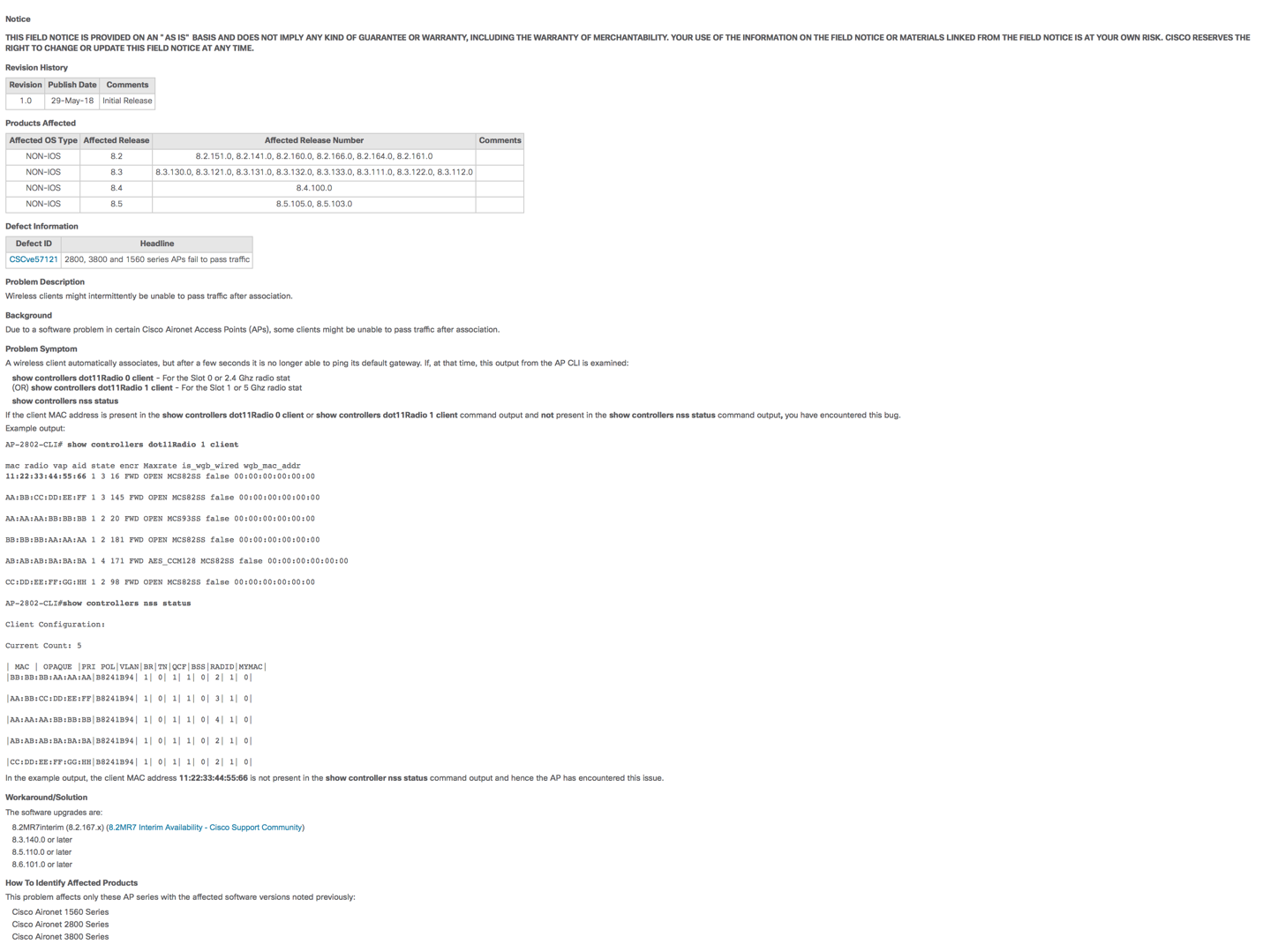
    792x phone may not reconnect when invalid 5 GHz beacon received : CSCtk58591

    A more recent bug found on 1.4(1) 792x handset code. Something to take note if you're on this code and using voice on 802.11a

    CSCtk58591 Bug Details
    792x phone may not reconnect when invalid 5 GHz beacon received
    Symptom:
    792x phone may not reconnect when invalid 5 GHz beacon received.

    Conditions:
    792x phone going out of range then comes back in range when set to scan 5 GHz.

    Workaround:
    Power cycle the phone.
    Use 802.11b/g only mode.

    Status Status
    Open

    Severity Severity
    3 - moderate

    Last Modified Last Modified
    In Last 3 Days

    Product Product
    Cisco Unified IP Phone 7900 Series

    Technology Technology
    Wireless, Mobile

    1st Found-In 1st Found-in
    1.4(1)
    Interpreting This Bug
    Bug Toolkit provides access to the latest raw bug data so you have the earliest possible knowledge of bugs that may affect your network, avoiding un-necessary downtime or inconvenience. Because you are viewing a live database, sometimes the information provided is not yet complete or adequately documented. To help you interpret this bug data, we suggest the following:
  • This bug has a Moderate severity 3 designation. Things fail under unusual circumstances, or minor features do not work at all, or things fail but there is a low-impact workaround.
  • This is the highest level for documentation bugs. (Bug Toolkit may not provide access to all documentation bugs.)
  • Severity levels are designated by the engineering teams working on the bug. Severity is not an indication of customer priority which is another value used by engineering teams to determine overall customer impact.
  • Bug documentation often assumes intermediate to advanced troubleshooting and diagnosis knowledge. Novice users are encouraged to seek fully documented support documents and/or utilize other support options available.
  •