


Social Links
Peek Inside Cisco's Gear

See inside Cisco's latest wireless gear!

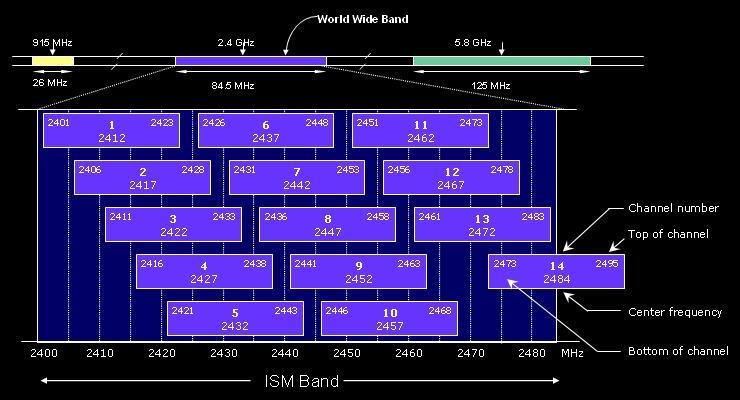
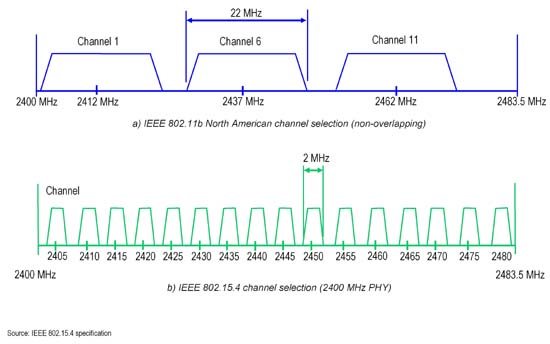
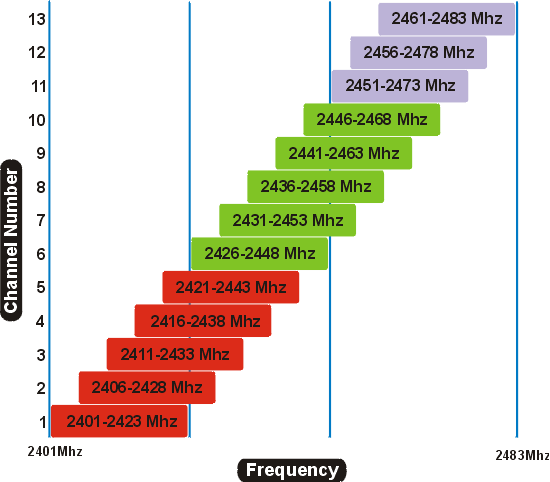
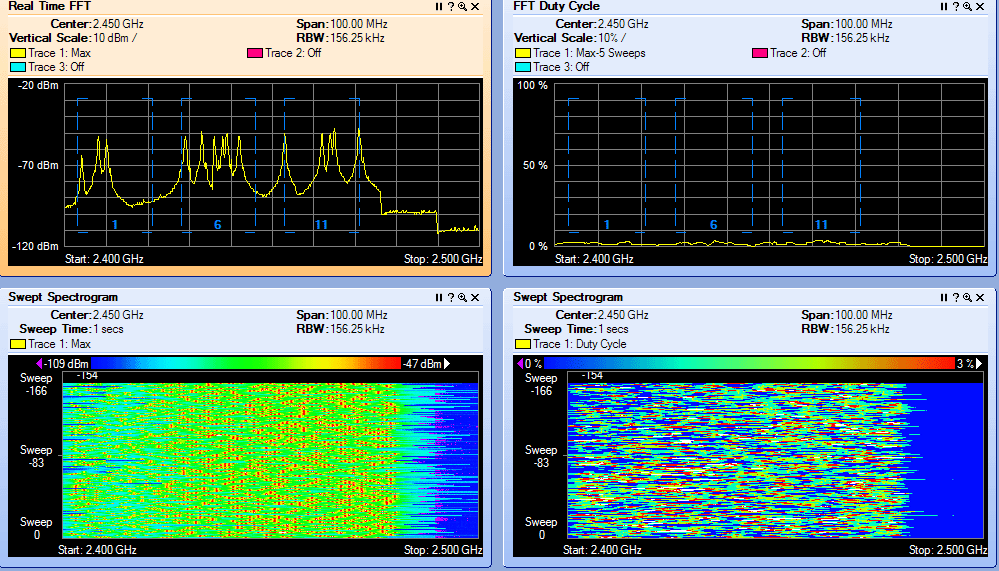
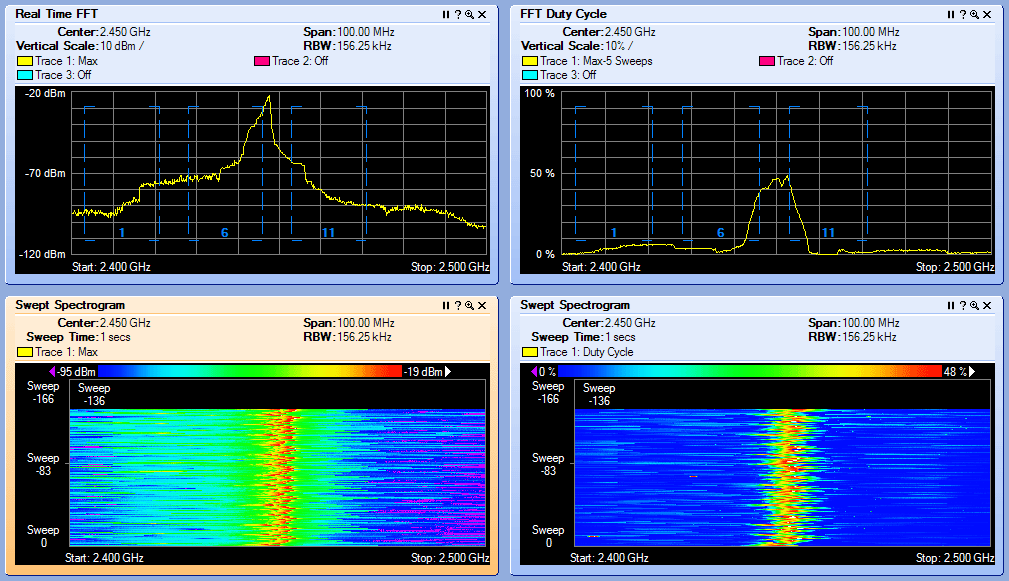
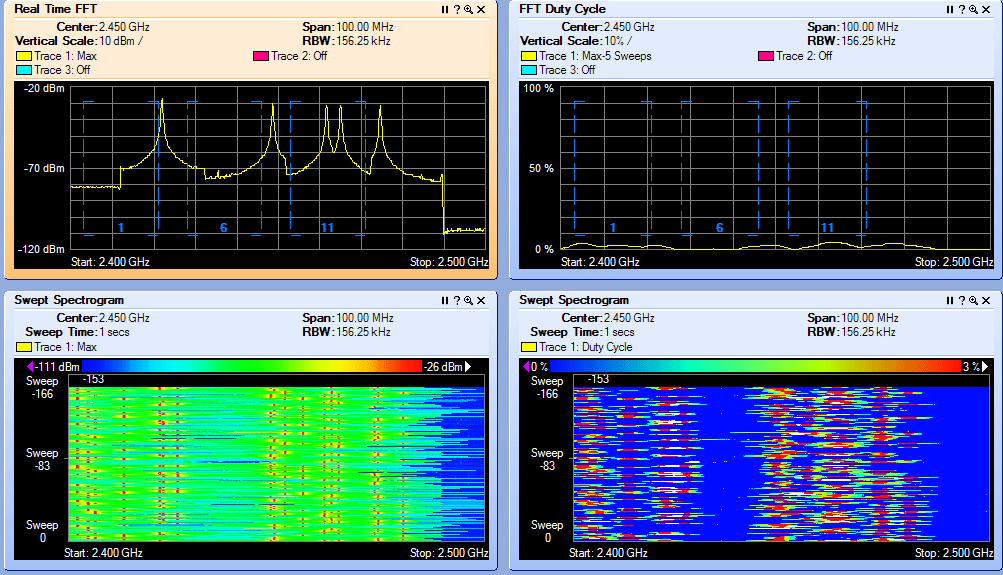
2.4 GHz Channel Overlap

EXAMPLE 1  

EXAMPLE 2

EXAMPLE 3  

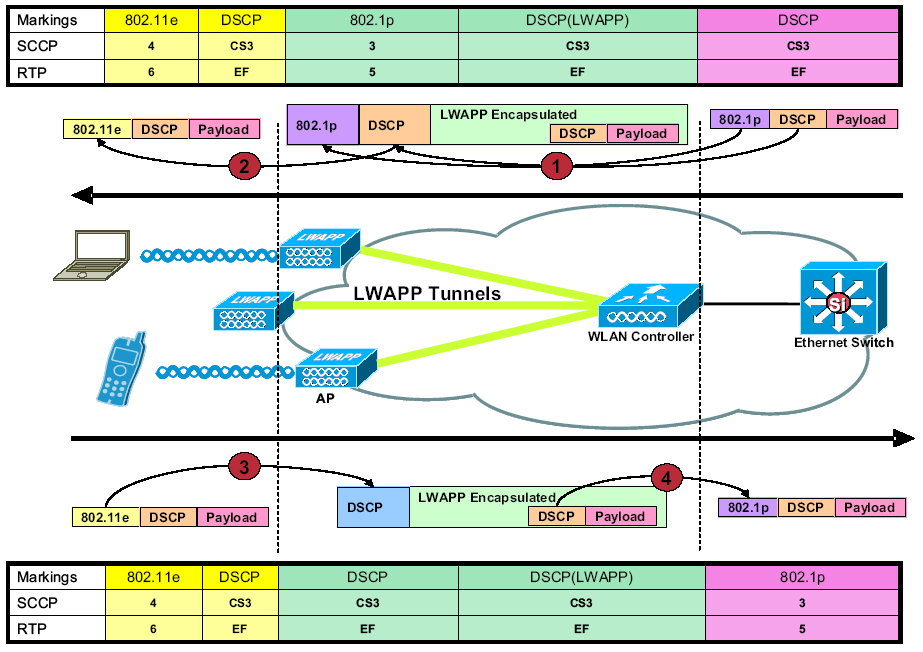
LWAPP QoS Packet Tagging


CWSP RELEASE DATE 2/08/2010
  • CWSP Certified Wireless Security Professional Official Study Guide: Exam PW0-204
    CWSP Certified Wireless Security Professional Official Study Guide: Exam PW0-204
    by David D. Coleman, David A. Westcott, Bryan E. Harkins, Shawn M. Jackman

    Shawn Jackman (Jack) CWNE#54 is a personal friend and has been a mentor to me for many years.  I've had the pleasure and opportunity to work with Jack for 4 years. Jack is a great teacher who takes complex 802.11 standards and breaks them down so almost anyone can understand the concept at hand. I'm excited for you brother. Great job and job well done! Put another notch in the belt!

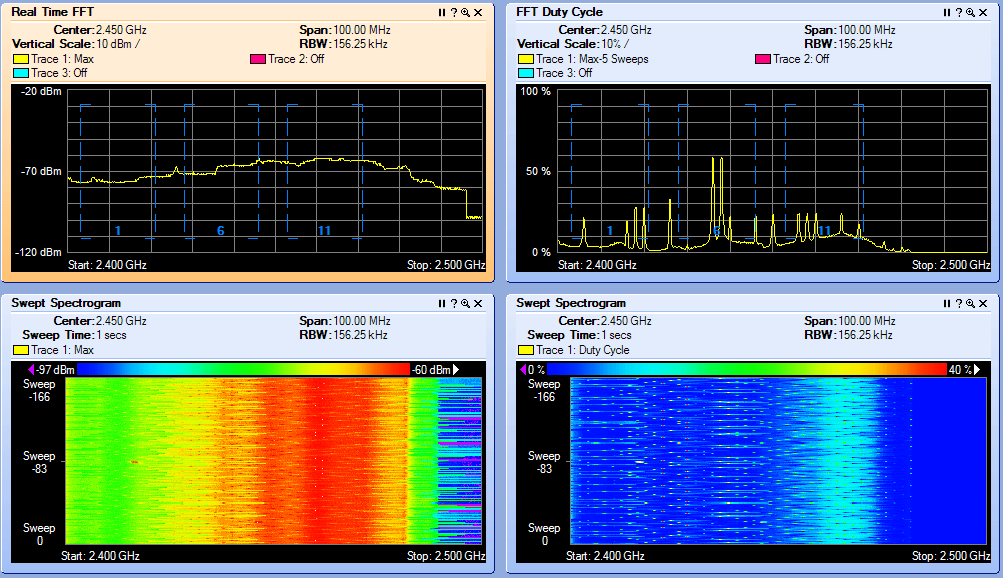
Interference Types

BLUETOOTH
 

Microwave Oven
 

Cordless Phone

JAMMER!
 

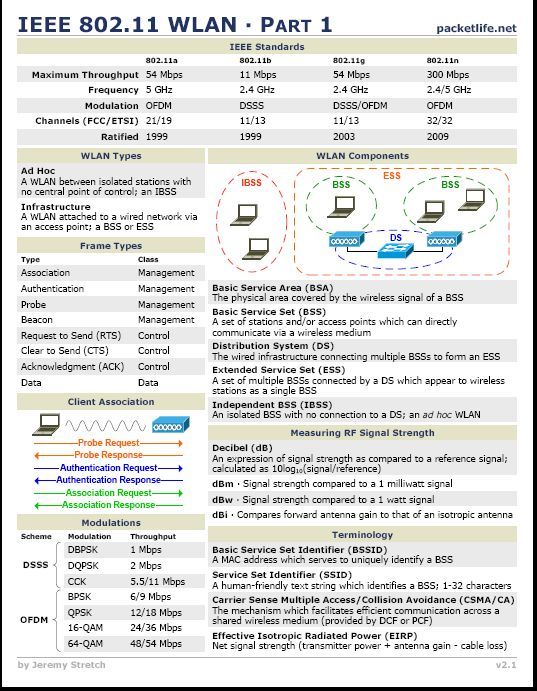
IEEE 802.11a/g/n Reference Sheet


Saturday
Nov072009

My Article About Hacking A Cisco WLC / Rogue WCS Attack “All Your Base Are Belong To Us” Published By Author Brandon Carroll On Cisco Unwired - Networkworld.Com 

My article about hacking a Cisco WLAN with a Rogue WCS/RRM packet exploit was published by and on Author and CCIE Brandon Carroll’s blog @ Networkword.com.


 Read about it here:

http://www.networkworld.com/community/node/45961 

Is your network Vulnerable? If you are running 4.x and 5.x WLC software you may be. Ask yourself, "Did I follow Cisco Best Practices?" If you didn't you may be sorry. A recent issue with OTAP has been widely discussed in online forums, blogs, and such. You may be familiar, but, If you don't understand OTAP (Over the Air Provisioning) visit the following site to get you up to speed:

http://www.cisco.com/en/US/products/ps6366/products_tech_note09186a008093d74a.shtml

And if you are familiar with how OTAP works but not with the vulnerability, check out the following URL:

http://tools.cisco.com/security/center/viewAlert.x?alertId=18919

George Stefanick at http://www.my80211.com claims that there may be more to it than Cisco is mentioning.  His post with Video detailes it here:
http://www.my80211.com/security-labs/2009/9/5/there-is-more-to-the-recent-cisco-wireless-otap-issue-that-i.html


But aside from that, could your network be even MORE vulnerable?  Hard to imagine right? But check out Georges latest post where he discusses how default SNMP strings could further add to the issue, leaving your network open to some major issues.  

http://www.my80211.com/home/2009/10/6/cisco-wlc-rogue-wcs-attack-all-your-base-are-belong-to-us.html


Nice find George!  Great way to dig deep, find an issue, and teach people what they should do to correct the issue.  It shows that you care about the technology and what can happen if you just take shortcuts (like leaving SNMP strings with default values) to get things up an running in a hurry.

George Stefanick is a  Senior Wireless Engineer at Texas Medical Center, working on a large wireless network for a major heathcare system.  Guys like this are invaluable.

Saturday
Nov072009

My80211.Com OTAP Article Picked Up By Computerweekly.Com

Computerweekly.com picked up my article "There is more to the recent Cisco Wireless OTAP issue that isn’t being widely reported." about the controller information being sent in the clear when OTAP is disabled.

Read more about it here:

http://www.computerweekly.com/Articles/2009/09/07/237584/video-cisco-access-points-give-away-network-secrets.htm

Cisco wireless routers may still be vulnerable to remote attacks even if remote management is disabled, a wireless engineer has warned.

As Computer Weekly previously reported, Cisco access points have a potential vulnerability in the Over the Air Provisioning (OTAP) feature.

This function allows a Cisco access point that is not connected to a Cisco controller to listen to traffic from other nearby Cisco access points and to use that information to quickly locate and connect to a nearby wireless Lan controller. However, AirMagnet, a supplier of network sniffing tools, has warned that a rogue access point could use the OTAP feature to connect to a corporate network.

Cisco recommends disabling OTAP after a wireless access point has been deployed, but wireless engineer George Stefanick has posted a video in which he claims Cisco access points can be attacked, even when OTAP is disabled. "If you run a corporate network, you do not want to broadcast any more information that you have to, especially if [the network] is wireless. Even if OTAP is disabled, information is still being broadcast."        


In particular, information about the network address of the wireless controller and the IP address of the management console are broadcast, irrespective of whether OTAP is enabled, he said.

Stefanick said that since the OTAP protocol runs at low bandwidth, it can travel long distances, as much as 100ft, allowing a hacker to find information about the corporate network. Such information could be used to attack the network.

Cisco recommended using DHCP or DNS as the preferred way to configure wireless access points. Disabling OTAP is purely a best practice to eliminate unused features, Cisco said.